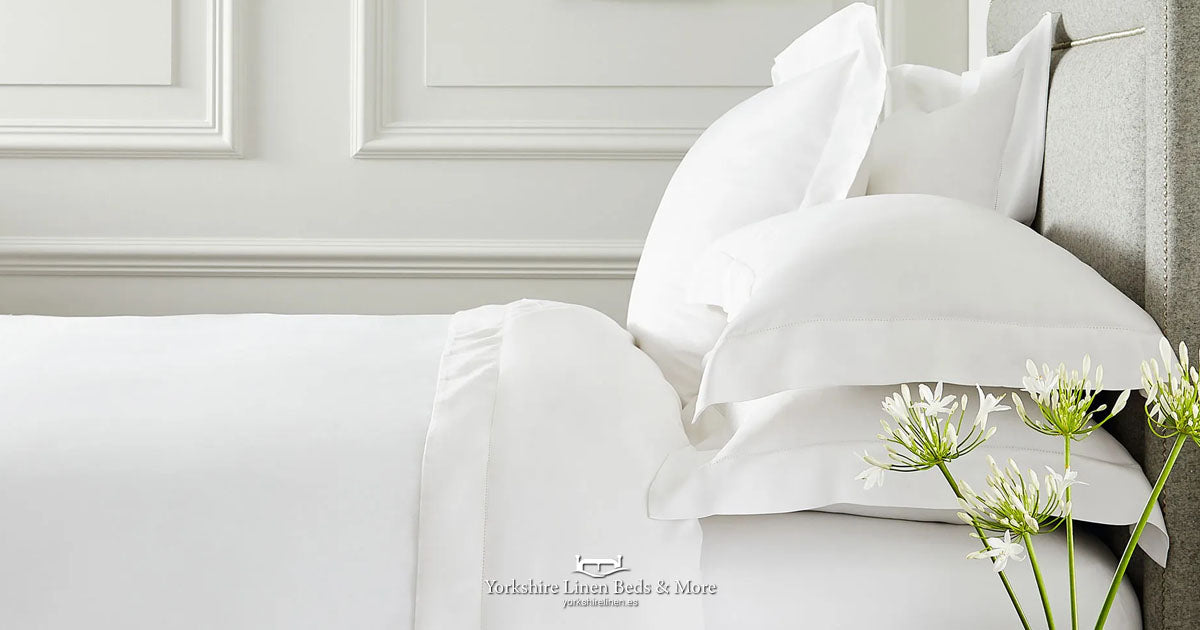
What is the best thread count for bed sheets?
Share
What is the Best Thread Count for Bed Sheets? The Ultimate Guide to a Perfect Night’s Sleep
In the world of interior design and home comfort, few terms are as frequently misunderstood—or as cleverly marketed—as "Thread Count." We have been conditioned to believe that a higher number automatically equates to a more luxurious experience. We see "1000 Thread Count" on a label and assume we are buying the pinnacle of opulence.
However, at The Linen Press, we know that the truth is far more nuanced. In fact, if you are living in a warmer climate like the Costa del Sol, or if you are a "hot sleeper," chasing the highest possible thread count might actually be the reason you aren’t sleeping well.
In this comprehensive guide, we are going to pull back the curtain on the thread count myth and explain what really matters when choosing your next set of bed sheets.
1. What Exactly is Thread Count?
At its simplest level, thread count is a measure of the number of horizontal and vertical threads woven into one square inch of fabric. You calculate it by adding the "warp" (vertical) and the "weft" (horizontal) threads together.
- 100 threads up + 100 threads across = 200 Thread Count.
On paper, it makes sense: the more threads you pack into an inch, the denser, smoother, and stronger the fabric should be. But there is a physical limit to how many pieces of high-quality cotton can actually fit into a square inch. This is where the marketing "magic" (and the confusion) begins.
2. The "Creative Accounting" of High Thread Counts
If you see a sheet advertised as 1000, 1200, or even 1500 thread count, you should approach with caution. To achieve these numbers, manufacturers often use "multi-ply" yarn. Instead of using one high-quality, long-staple cotton fiber, they twist together two or three inferior, thinner fibers to create a single thread.
They then count each of those individual plies as a separate thread. So, a 300-thread-count sheet made with 3-ply yarn suddenly becomes a "900-thread-count" sheet in the marketing materials.
The result? A sheet that is heavy, doesn't breathe well, and is prone to pilling—the exact opposite of what luxury bedding should be.
3. The Sweet Spot: What is the Ideal Number?
For most people, the "Goldilocks Zone" for thread count lies between 200 and 600.
- 200 Thread Count: This is the standard for high-quality, crisp percale sheets. It is lightweight, extremely breathable, and perfect for the Spanish summer.
- 300 to 400 Thread Count: This is often considered the "sweet spot" for luxury. It offers a silkier feel than the 200-count but remains light enough to allow for excellent airflow.
- 600 Thread Count: At this level, you are looking at true premium luxury. These sheets are denser and have a more substantial "drape," making them ideal for the slightly cooler winter months or for those who prefer a heavier feel to their bedding.
4. Why Thread Count Isn't the Most Important Factor
If thread count isn't the ultimate indicator of quality, what is? To find the best sheets, you need to look at three other pillars: Fiber, Weave, and Finish.
The Fiber (The Most Important Part)
A 200-thread-count sheet made from 100% Egyptian Cotton or Pima Cotton will always feel superior to a 1000-thread-count sheet made from low-grade, short-staple cotton or polyester blends.
- Long-Staple Cotton: This refers to the length of the individual cotton fibers. Longer fibers create a smoother, stronger yarn with fewer ends sticking out (which causes that scratchy feeling or pilling).
The Weave
How those threads are put together changes the entire "hand-feel" of the sheet:
- Percale: A simple one-over, one-under weave. It results in a matte finish and a "crisp" feel, similar to a high-end hotel sheet. Percale is the king of breathability.
- Sateen: A four-over, one-under weave. This puts more thread surface on the face of the fabric, creating a silky sheen and a softer, warmer drape.
5. Choosing for the Mediterranean Climate
If you are shopping for a home in Spain, your priorities shift. A heavy 800-thread-count sateen sheet might look beautiful in a showroom, but on a July night in Marbella, it will trap heat against your body, leading to a restless, sweaty night.
For our clients at Yorkshire Linen, we almost always recommend:
- 100% Cotton Percale (200-400 TC): For that cool, crisp "fresh bed" feeling every night.
- Linen Blends: For the ultimate in moisture-wicking and air circulation.
6. How to Care for High-Quality Sheets
Once you’ve invested in the right thread count, you want it to last.
- Wash Cool: High heat breaks down cotton fibers. Wash at 30°C or 40°C.
- Avoid Fabric Softeners: Paradoxically, softeners can coat the cotton fibers, reducing their natural breathability and "clogging" the weave.
- Line Dry if Possible: The Spanish sun is a natural disinfectant and brightener. Line drying also prevents the friction damage caused by tumble dryers.
Conclusion: Quality Over Quantity
The next time you are browsing for new bedding, don't let your eyes go straight to the highest number. Look for 100% Combed Cotton, check for Long-Staple fibers, and consider the Weave that best suits your sleeping style.
In the world of fine linens, quality always beats quantity. A well-made 300-thread-count sheet will outlast, out-soften, and out-cool a low-quality 1000-count sheet every single time.