What is the best hypoallergenic bedding for high-allergy seasons in Spain?
What is the Best Hypoallergenic Bedding for High-Allergy Seasons in Spain?
👉 Shop Hypoallergenic Bedding at Yorkshire Linen Beds & More
Spain is a beautiful place to live, but if you suffer from allergies, certain times of year can be genuinely miserable. Spring pollen season, the dry heat of summer, and the dust that comes with it all create the perfect conditions for sneezing, itchy eyes, and disturbed sleep. The good news? The right bedding can make a real and measurable difference. Here's what you need to know.

Why Bedding Matters for Allergy Sufferers
Most people don't realise how much time they spend in contact with their bedding. Eight hours a night - a third of your life - pressed against pillows, duvet covers and sheets. For allergy sufferers, this prolonged exposure means bedding is one of the most important things to get right.
The main triggers hiding in your bed include:
-
Dust mites: microscopic creatures that thrive in warm, humid environments and feed on shed skin cells. Their droppings are one of the most common allergy triggers worldwide.
-
Pet dander: if pets share your bedroom or bed, dander accumulates quickly in soft furnishings.
-
Mould spores: in humid coastal areas of Spain, poor ventilation can allow mould to develop in bedding and mattresses.
- Pollen: carried in on clothing, hair and through open windows during spring and early summer.
The right hypoallergenic bedding addresses all of these, creating a cleaner, healthier sleep environment.
When Are Allergy Seasons Worst in Spain?
Spain's allergy calendar is slightly different from northern Europe, and varies by region:
Spring (February–May) is the most challenging period for pollen sufferers. Olive trees — abundant across Andalucía and much of southern Spain — are among the most potent pollen producers in Europe. Grass pollens peak in April and May.
Summer (June–August) brings lower pollen counts but introduces dust and dry air, which can aggravate respiratory conditions. Dust mites, paradoxically, thrive in the warm, slightly humid conditions of coastal areas even in summer.
Autumn sees a secondary pollen spike from certain grasses and weeds, plus increased mould spore counts as the rains return.
Year-round, dust mites are a constant presence in Spanish homes — the warm indoor temperatures are ideal for them.
What Makes Bedding "Hypoallergenic"?
The term hypoallergenic means the material is less likely to cause an allergic reaction — either because it naturally resists allergens, or because its structure makes it difficult for dust mites and other triggers to accumulate.
Key factors include:
-
Tightly woven fabrics: a tight weave creates a physical barrier that dust mites and their droppings cannot easily penetrate
-
Natural breathability: materials that wick moisture away prevent the damp conditions that dust mites love
-
Washability at high temperatures: being able to wash bedding at 60°C or above kills dust mites effectively
-
Chemical-free processing: some allergy sufferers react to dyes, bleaches or fabric treatments, so naturally processed materials can be beneficial
The Best Hypoallergenic Bedding Materials
1. Egyptian Cotton: The Gold Standard
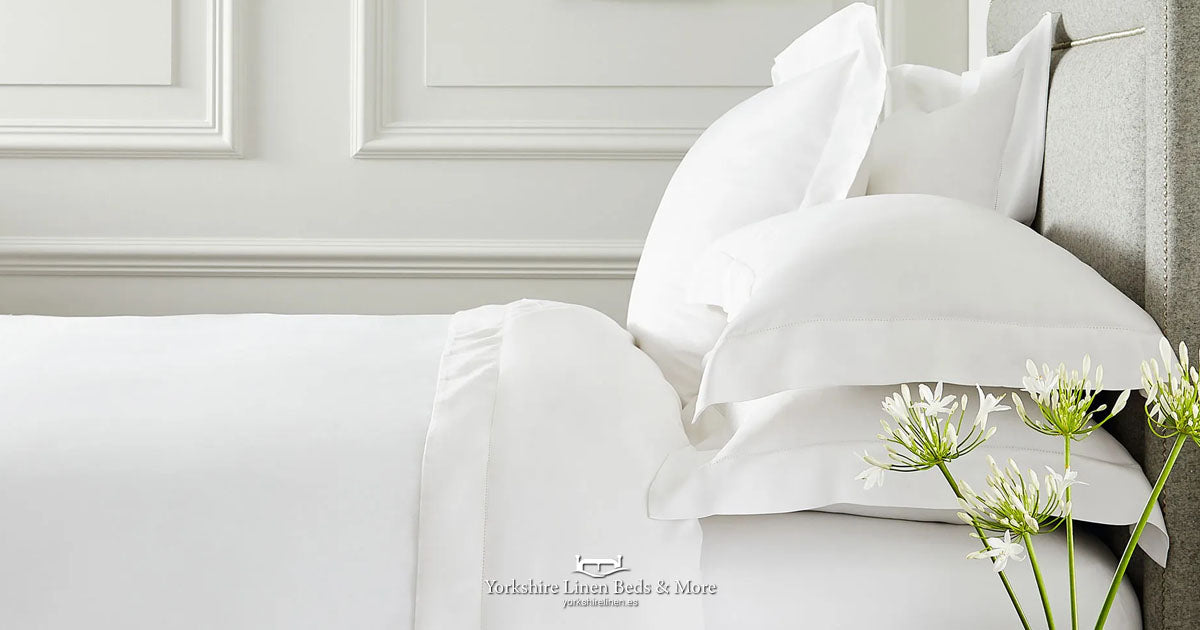
High-quality Egyptian cotton, particularly in a percale weave, is one of the best choices for allergy sufferers. Its tightly woven structure resists dust mite penetration, it breathes exceptionally well (important in Spain's heat), and it can be washed repeatedly at high temperatures without deteriorating.
Thread counts of 200–400 in percale weave offer the best balance of breathability and allergen resistance. Sateen weaves, while luxuriously soft, have a slightly looser structure and are less effective as a barrier.
2. Bamboo: Naturally Antibacterial
Bamboo fabric has become increasingly popular for good reason. It is naturally antibacterial and antimicrobial, resistant to dust mites, and exceptionally moisture-wicking, drawing perspiration away from the body and keeping the sleep environment drier and less hospitable to allergens.
Bamboo is also temperature-regulating, making it particularly well-suited to Spain's warm summers and milder winters. If you tend to sleep hot, bamboo bedding is worth serious consideration.
3. Microfibre: Practical and Affordable
High-quality microfibre has an extremely tight weave that is highly resistant to dust mites. It is easy to wash, quick to dry, and generally more affordable than natural fibres. While it doesn't breathe quite as well as cotton or bamboo, modern microfibre has improved significantly and remains a solid hypoallergenic choice.
4. Anti-Allergy Treated Bedding
Some bedding ranges are treated with anti-allergy and anti-dust-mite finishes during manufacture. These can be effective, though the treatments do diminish somewhat with repeated washing. Look for products that specify how many washes the treatment remains effective for.
5. What to Avoid
Feather and down duvets and pillows. While luxurious, these can harbour dust mites and are difficult to wash at sufficiently high temperatures. Synthetic alternatives that mimic the feel of down are a much better choice for allergy sufferers.
Wool: While naturally resistant to dust mites, some people have sensitivities to wool fibres directly.
Heavily treated or heavily dyed fabrics: chemical sensitivities are common among allergy sufferers.
Pillows, Often Overlooked
Pillows deserve special attention. Your face is in direct contact with yours for hours every night. Hypoallergenic pillow options include:
-
Synthetic hollow-fibre pillows. Easy to wash at 60°C, affordable, and widely available
-
Memory foam pillows. Naturally resistant to dust mites due to their dense structure, though less breathable
- Bamboo-filled pillows. Combining the benefits of bamboo with good support
Whichever you choose, pillow protectors are essential — a tightly woven, washable pillow protector adds an extra barrier between you and any allergens in the pillow itself.
Practical Tips for Allergy Sufferers in Spain
Wash bedding weekly at 60°C. This is the temperature at which dust mites are killed. In Spain's climate, bedding dries quickly outdoors, making this a practical routine.
Use a tumble dryer if you have one. The heat of a dryer cycle adds an extra layer of dust mite control, particularly useful in more humid coastal areas.
Keep windows closed during peak pollen hours. In spring, pollen counts are highest in the morning. Keep bedroom windows closed until mid-morning, and again in the evening when counts rise again.
Vacuum your mattress regularly. A mattress protector - ideally a washable, hypoallergenic one - is strongly recommended alongside hypoallergenic bedding.
Replace pillows every 1–2 years. Over time, even the best pillows accumulate allergens that washing alone cannot fully remove.
Shop Hypoallergenic Bedding at Yorkshire Linen
At Yorkshire Linen Beds & More, we stock a carefully selected range of bedding suited to allergy sufferers and Spain's unique climate — from high-quality cotton percale duvet sets to bamboo and anti-allergy treated options.
👉 Shop Hypoallergenic Bedding at Yorkshire Linen Beds & More
Or come and see us in store on the Ctra. de Mijas, Km 3.5, where our team will be happy to help you find the right solution for your needs.
Yorkshire Linen Beds & More. Quality Home Textiles on the Costa del Sol since 2005.